Last updated November 23, 2026
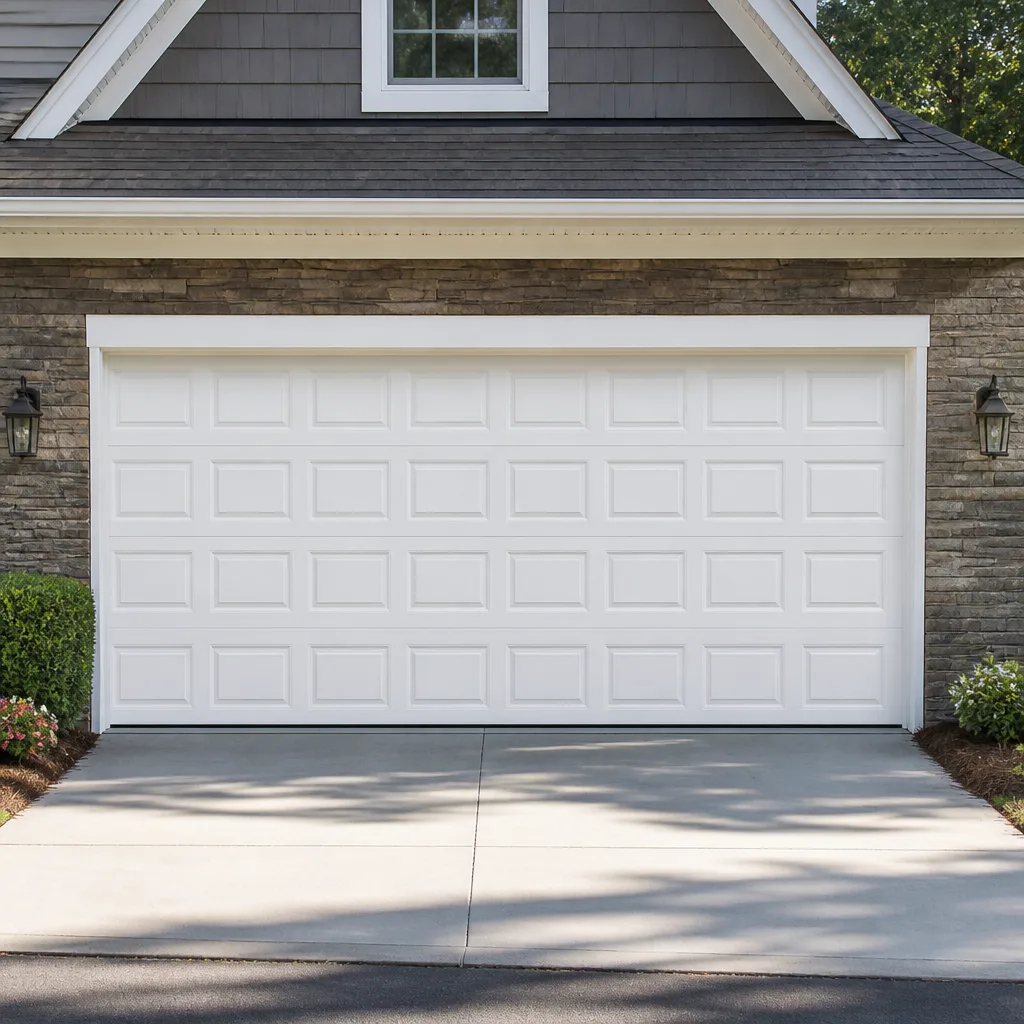 Raised-panel steel
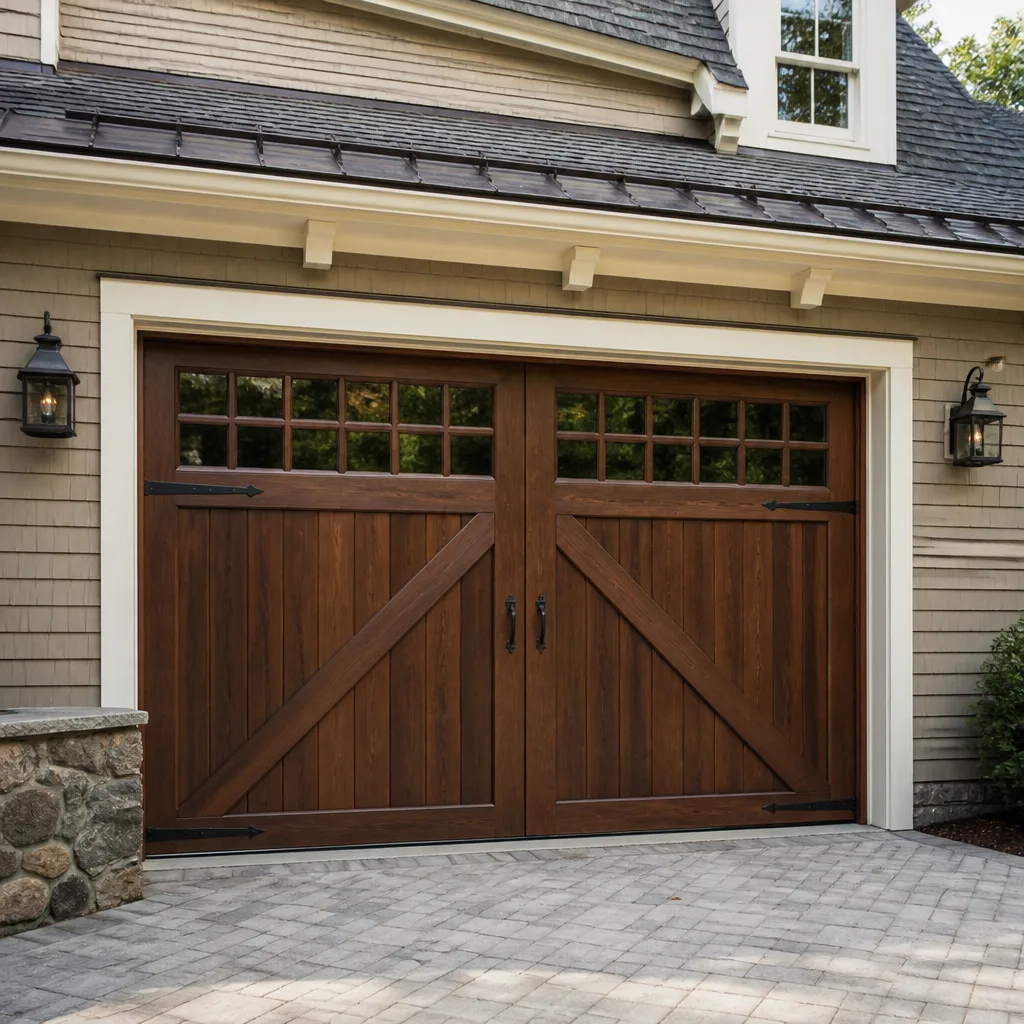 Carriage house
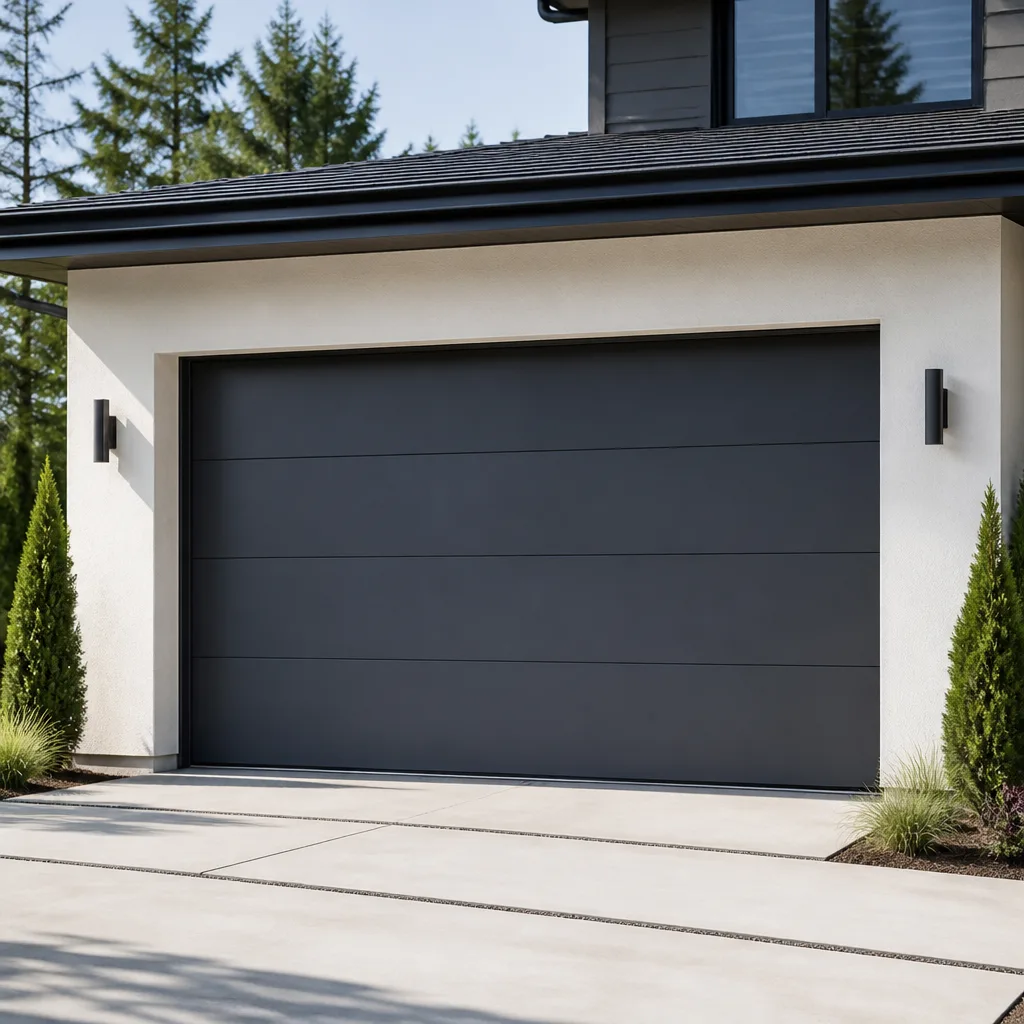 Modern flush
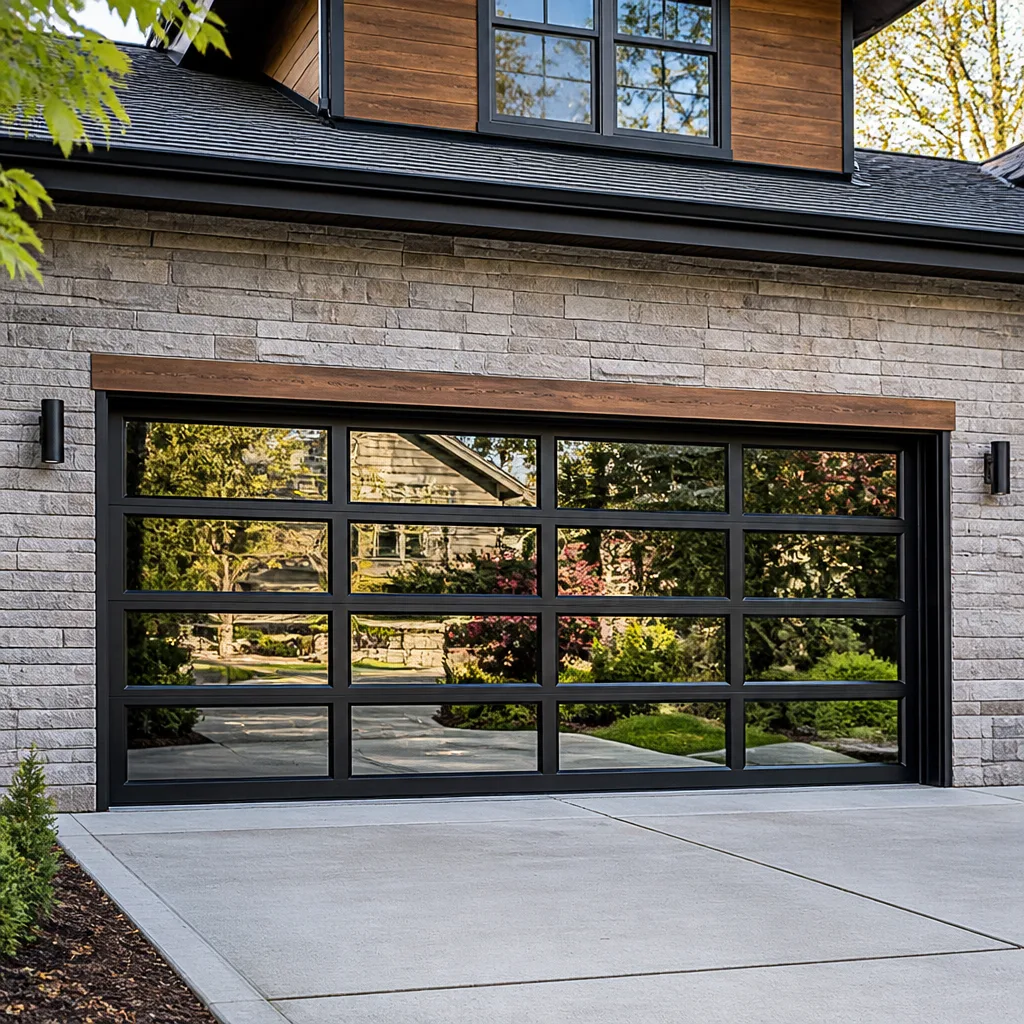 Full-view glass
 LiftMaster openers
 Chamberlain openers
Full 25-point door and opener safety check with every visit - springs, cables, rollers, tracks, and your LiftMaster or Chamberlain opener included
You get a price before we start. It does not change when the pro arrives.
Get your free estimateGarage Door Warning Signs: A Redmond Homeowner’s Reference Guide
Two homeowners describe the same problem: a grinding noise. One has a worn roller bearing that will squeal for another month before anything fails. The other has a track that has bowed just enough to let a roller slip, and that door can drop without warning the next time it runs. Both are “a grinding garage door in Redmond.” They are not the same situation, and treating them the same way is how people end up calling for emergency service at the worst possible moment. That’s the gap this guide fills. Most warning-sign lists hand you vague symptoms and a phone number. We’d rather you understand what each sound, hesitation, and movement pattern tells you about the actual mechanical part behind it, so you know whether you have days, weeks, or minutes. We work on garage door systems in Redmond every week, and the pattern-matching below is the same logic our technicians use on the first visit.
Quick Answer
The most urgent garage door warning signs are a snapped torsion spring (the door is dead weight and must not be operated), a door that drifts or slams down instead of moving evenly, frayed cables, a bent or separated track, and a door that reverses before closing on nothing. Those are stop-and-call signals. Squealing rollers, a slow opener, a remote that needs a few presses, and cosmetic panel wear are schedule-and-watch signals you can live with briefly. The dividing line is simple: anything involving springs, cables, the track, or uncontrolled door movement means the door is unsafe to run. Everything else can usually wait for a planned repair.
Styles & brands we work with
- Raised-panel steel
- Carriage house
- Modern flush
- Full-view glass
- LiftMaster openers
- Chamberlain openers
Table of Contents
- The Symptom-to-Component Diagnostic Map
- Stop Using the Door vs. Schedule Service: The Dividing Line
- How Redmond’s Wet Weather Creates Symptoms You’ll Misread
- What Slow-Up, Fast-Down Movement Tells You About Spring Balance
- Decoding Opener Behavior: Reversing, Stalling, and Cold-Morning Refusals
- The Two Parts You Should Never Touch Yourself
- Brand-Specific Clues: Reading Your Door System by Make
- A Seasonal Inspection Routine for Redmond Doors
The Symptom-to-Component Diagnostic Map
Every garage door symptom has a mechanical address. When you can name the component, you can judge the risk. Here’s the map we use, organized by what you actually hear and see.
Sounds, and What They Point To
- Grinding from high on the door, near the header: usually a torsion spring under load or a bearing plate that has dried out. This one gets attention fast because spring hardware failure releases stored energy.
- Grinding from floor level along the track: a roller bearing or a bent track edge. Much less likely to fail suddenly, but a track that has bowed inward can let a roller escape and the door drop.
- Popping or snapping, especially at the start of travel: often a cable jumping its drum or a spring that has started to unwind unevenly. Treat it as a stop signal.
- Squealing that rises with door speed: dry rollers, dry hinges, or a dry torsion tube. Lubrication territory, and low risk.
- Rattling that disappears when you press a panel: loose fasteners or a panel that has begun to separate from its stile. Structural, not urgent.
- A single loud bang, then the door won’t lift: a broken torsion spring. Stop using the door immediately and call for garage door spring repair.
Behaviors, and What They Point To
- Door reverses before touching the floor: the safety sensor is misaligned or blocked, or the down-limit is set too high. On older units, a failing logic board can mimic this.
- Door goes up a few inches and stops: usually a binding track, a bad roller, or a travel-limit setting that has drifted.
- Opener runs but the door doesn’t move: a stripped gear, a broken drive belt, or a disconnected carriage. The opener thinks it’s doing its job.
- Door won’t open on the first press, opens on the second: often a remote battery, a weak opener capacitor, or a slight bind in the mechanism. Note which one and it narrows quickly.
- Door drifts down a foot on its own: unbalanced springs. This is a safety issue, not a convenience one.
The reason this map matters in Redmond is that we see the same causes over and over: bottom brackets and roller stems corroded by persistent damp, wood panels that have absorbed moisture and swollen out of alignment, and spring coils that have rusted enough to weaken. None of those show up in a generic warning-sign list, but each has a distinct signature once you know what you’re hearing.
Stop Using the Door vs. Schedule Service: The Dividing Line
The hardest judgment call in garage door ownership is deciding whether to use the door one more time. Here’s how we sort it, and the rule we’d give a neighbor.
Signs That Mean Stop Now
- A broken spring. The door weighs far more than the opener alone can handle. Operating it strains the opener, bends the panels, and can drop the door.
- A cable hanging loose or frayed. Cables carry tension that can release without warning. Don’t run the door, and don’t pull on the cable to test it.
- A track that’s visibly bent, separated from the wall, or bowed inward. The door can leave the track under load.
- The door moves unevenly, tilts, or slams down. This points to spring or cable trouble.
- Doors installed before 1993 without a working safety reverse. If the door won’t reverse when it meets an obstruction, it’s not safe to run on its own.
Signs You Can Use Briefly While You Schedule
- Squealing that resolves with speed. Dry rollers are a nuisance, not a hazard, for a short window.
- A remote that needs a second press. Battery or signal issue, worth a call but not a stop.
- A single panel with cosmetic denting. Panel replacement is a planned job.
- A weather seal that’s flattened or torn. Water gets in, but the door still operates safely.
- A wheel or hinge that looks worn but the door tracks straight.
If you’re unsure which side of the line you’re on, err toward not running the door until someone looks at it. When in doubt, call us at (855) 337-2071 for a free estimate and a quick assessment over the phone.
How Redmond’s Wet Weather Creates Symptoms You’ll Misread
Redmond’s months of damp, drizzly weather do things to a garage door system that a homeowner in a drier place never thinks about. Three problems recur so consistently here that they deserve their own section.
Swollen Wood Panels
Wood and wood-composite panels absorb moisture at the joints, swell slightly, and then don’t sit flush with their neighbors. The visible symptom is a panel that looks out of line or a door that grinds slightly at one point in its travel. Homeowners often read this as an opener problem because the drift seems to start there. It’s usually a fit problem at the panel edges, and the fix is to inspect the door’s alignment and see if the opener is being asked to compensate.
Rusted Bottom Brackets
The bottom bracket is at floor level, right where water pools when the weather seal degrades. A rusting bracket loosens its grip on the cable, and that’s a genuine hazard because the bracket is under spring tension. If your bottom bracket is rusted, loose, or showing streaks, have it looked at before using the door much more. This is one of the parts we tell Redmond homeowners not to touch themselves.
Corroded Spring Coils
Torsion and extension springs in a damp garage develop surface rust, and rust weakens the coils. A rusted spring is a spring that’s closer to failure than the same spring in dry air. The symptom that gets misread most often is a door that opens unevenly, which homeowners attribute to the opener because the opener sounds labored. Sometimes it is the opener, but in many cases it’s the springs asking the opener to lift more than it was set up to lift. See our garage door repair page for how we approach these layered diagnoses.
What Slow-Up, Fast-Down Movement Tells You About Spring Balance
A door that rises slowly and drops fast is telling you something specific: the springs are providing less lift than the door’s weight requires, and gravity is doing the rest on the way down. That’s a balance problem, and it’s one of the clearest mechanical messages a garage door sends.
Why the Direction Matters
Springs are the counterweight. When they’re adjusted right, a garage door should lift easily in both directions and, when released at mid-travel, should hold roughly in place. When the springs are weak, the opener has to do more work on the way up (slow), and the door has gravity working with it on the way down (fast). The pattern is diagnostic because it’s directional. A door that’s slow both ways is more likely an opener or track issue. A door that’s slow up and fast down is spring tension.
What to Check (Without Touching Springs)
- Listen to the opener during a cycle. Labored, strained sound on the way up supports the balance theory.
- Watch for the door speeding up at the bottom of the down cycle. A fast drop is the giveaway.
- Look at the springs themselves. Rust, visible gaps, or a coil that looks different from its neighbors are all worth a phone call.
- Don’t adjust the tension yourself. This is where Redmond homeowners get hurt. A spring under load is dangerous; a wrong adjustment makes it more so.
If you’re seeing the slow-up, fast-down pattern, schedule a diagnostic visit. Spring adjustment and replacement both fall under garage door spring repair, and it’s the specialty we handle most.
Decoding Opener Behavior: Reversing, Stalling, and Cold-Morning Refusals
Opener symptoms are the most commonly misread because the opener is the part that talks. When something else fails, the opener often gets the blame. Here’s how to separate them.
Reversing Before Closing
If the door reverses before it reaches the ground, the safety reverse system has triggered. Causes, roughly by likelihood in our experience:
- Misaligned or dirty photo-eye sensors. Most common by a distance. Check that the small LED on each sensor is lit and that nothing (a broom, a trash bin) is in the beam.
- Down-limit set too high. The opener thinks the floor is farther away than it is.
- A failing logic board on an older unit. Less common, but real, especially on openers that are well into their second decade.
- Binding track causing the opener to sense resistance. The opener reads the bind as an obstruction.
Refusing to Open on Cold Mornings
Cold-weather refusal usually points to a mechanical cause, not a cold-fearing opener. The grease in the opener’s gear case thickens slightly in cold, the springs stiffen, and a marginal balance problem becomes a hard failure at the first cycle of the morning. LiftMaster and Chamberlain units handle cold well; units a decade old start to struggle. The fix is usually balance and lubrication, not a new opener.
Stalling Mid-Travel
If the door stops partway up or partway down and stays there, work through it in order:
- Check the sensors first. Fastest and most common.
- Check for obstructions in the track. A small object, a bent roller, or debris can stop travel.
- Check the opener’s force settings. If the force was set low, a slightly stiff door will stall.
- Check the door balance. A door that doesn’t hold in mid-travel is not balanced.
- Check the drive mechanism. A worn drive gear, a stretched belt, or a stripped sprocket will stall under load.
If you’re working through this and the door won’t budge, that’s a normal call for garage door opener repair and we’re happy to talk it through first.
The Two Parts You Should Never Touch Yourself
We’re all for homeowners understanding their door. Two components are off-limits, and we won’t pretend otherwise.
The Springs
Torsion springs and extension springs hold stored energy. A spring under load can release violently when the wrong part is loosened, and the injury is serious. The right move if a spring shows any sign of failure – visible gap, rust-through, a door that won’t lift, a bang followed by silence – is to stop using the door and call. We handle garage door spring repair as a specialty because it’s the highest-risk component in any door system, and it’s not a job to learn on.
The Cables
Cables are the other hard stop. A frayed, kinked, or loose cable is under tension and can snap. Don’t cut it, don’t try to re-seat it, don’t touch it. If you see one hanging loose, that’s a same-day call.
Everything else – rollers, hinges, weather seals, photo-eye sensors, remote batteries, and light bulbs – is fair game for a homeowner who wants to be hands-on. If you’re not sure which category a part falls into, we’d rather you call than guess.
Brand-Specific Clues: Reading Your Door System by Make
Door systems have brand personalities. Knowing yours helps you describe symptoms accurately and helps whoever you call bring the right parts and approach. Four brands we see most often on Redmond homes, and the specific clues each tends to produce:
LiftMaster
LiftMaster openers are common on newer Redmond installs, and their symptoms are usually clean: a reversing issue almost always traces to the safety sensors or the down-limit, not the motor. Their WiFi-enabled units sometimes throw a signal problem after a router change, which looks like a dead opener and isn’t. If you’ve just changed internet providers and the opener has gone quiet, check the app pairing before calling.
Chamberlain
Chamberlain is the consumer cousin of LiftMaster, and shares a lot of logic. Older Chamberlain units have a distinctive behavior when the travel-limit assembly has drifted: the door goes up fine and stops early on the way down. That’s a limit-adjustment job, not a replacement.
Craftsman
Craftsman openers are everywhere on older Redmond homes, and their most common failure is a worn drive gear. The symptom is an opener that hums but doesn’t move the door. That’s usually a gear-and-sprocket repair, not a new opener. Craftsman remotes are also notorious for battery contacts that loosen over time, producing intermittent “won’t open on first press” behavior.
Wayne Dalton
Wayne Dalton doors show up on a lot of Redmond homes with wood or composite panels, and their torsion setups and panel tolerances are specific. A Wayne Dalton door that has begun to look uneven usually has a panel alignment issue or a spring tension issue, and both are diagnosable. If you know it’s a Wayne Dalton, say so when you call; it saves a step.
A Seasonal Inspection Routine for Redmond Doors
A short routine twice a year keeps small issues from growing into stop-the-door problems. Here’s what we recommend, and how long each step takes.
- Look at the springs. Rust, gaps, or a coil that looks different from its neighbors. If anything looks off, call.
- Look at the bottom brackets and roller stems for rust streaks. Damp Redmond garages rust these first.
- Test the balance by hand. Disconnect the opener with the release cord and lift the door to chest height. It should hold roughly in place. If it drops, balance is off.
- Test the safety reverse. Place a piece of wood flat on the floor in the door’s path and run the close cycle. The door should reverse on contact. If it doesn’t, stop and call.
- Wipe and lubricate rollers, hinges, and the torsion tube. A light garage-door lubricant is fine. Don’t lubricate the track itself.
- Check the weather seal along the bottom. Replace it if it’s cracked or flattened.
- Clear the return spring on the release cord. A door that’s been locked out by the opener in an emergency can re-engage unexpectedly if the cord hasn’t returned.
Total time is about twenty minutes for the visual pass. That’s a good use of a Sunday morning, and it’s the schedule on which most Redmond door problems get caught early.
Common Mistakes to Avoid
- Running the door after a spring break. A surprising number of homeowners try the opener “just to see.” The opener can’t lift the door alone, and strain on the panels and opener turns a spring job into a much bigger repair.
- Adjusting the safety sensors without testing them. Sensors that look aligned can still be dirty or failing. Test them with an obstruction after any adjustment, and every couple of months in Redmond’s damp climate where the lenses fog.
- Using WD-40 on rollers and springs. It’s a solvent, not a lubricant. It thins out and dries, and can attract grit. A proper garage-door lubricant is what you want.
- Assuming every opener problem is the opener. In our experience, a large share of “the opener is dying” calls in Redmond are balance or track issues asking the opener to do more than it should. Diagnose the door before you replace the operator.
- Ignoring a single loud bang. A bang followed by a door that won’t lift is a broken spring, not a glitch. Get it looked at before you cycle the door again.
- Trying to reseat a cable or adjust a spring. These are the two parts that injure homeowners. If a cable is loose or a spring looks wrong, call; don’t experiment.
- Choosing an installer purely on price. Door installations differ in panel gauge, spring grade, and track quality. A cheap install often means a door that needs fixing inside a couple of seasons, and especially in a damp climate. Get a written quote that names the components.
See the difference
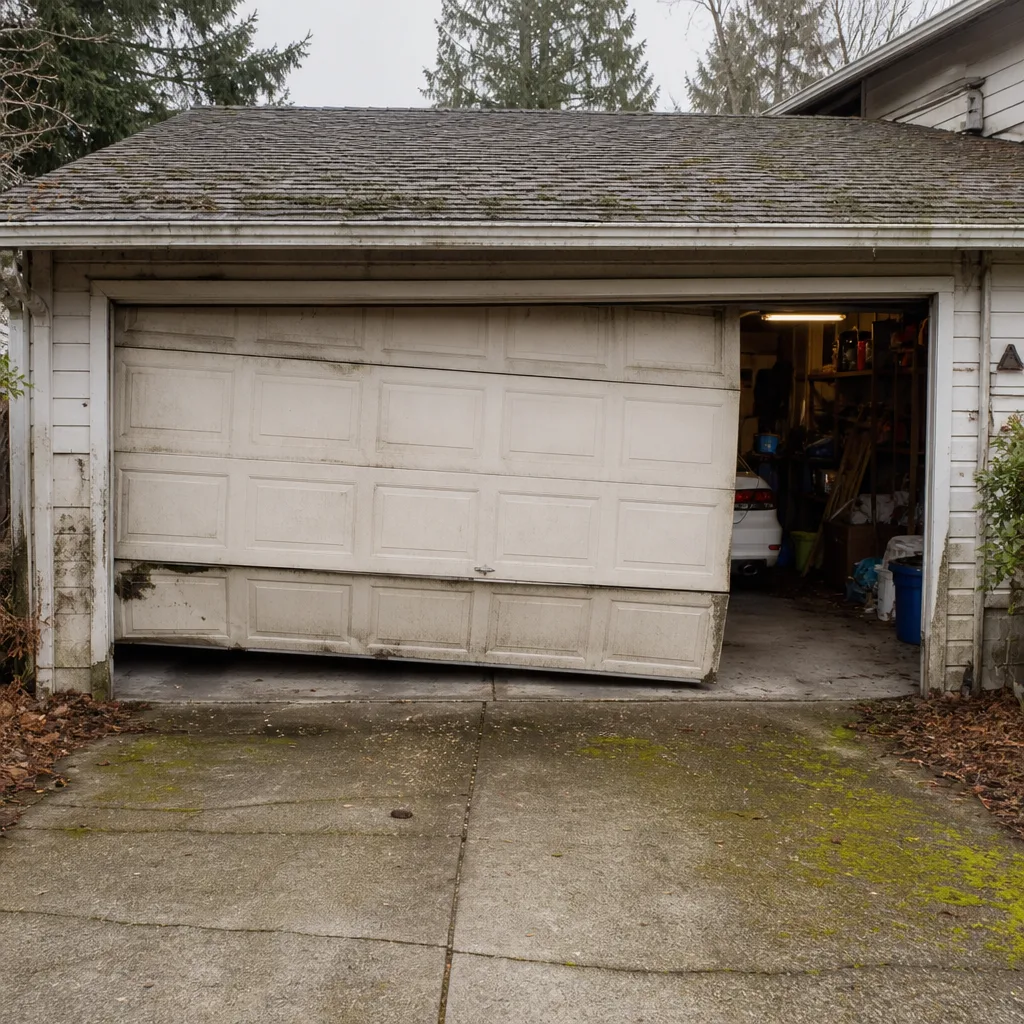 Before
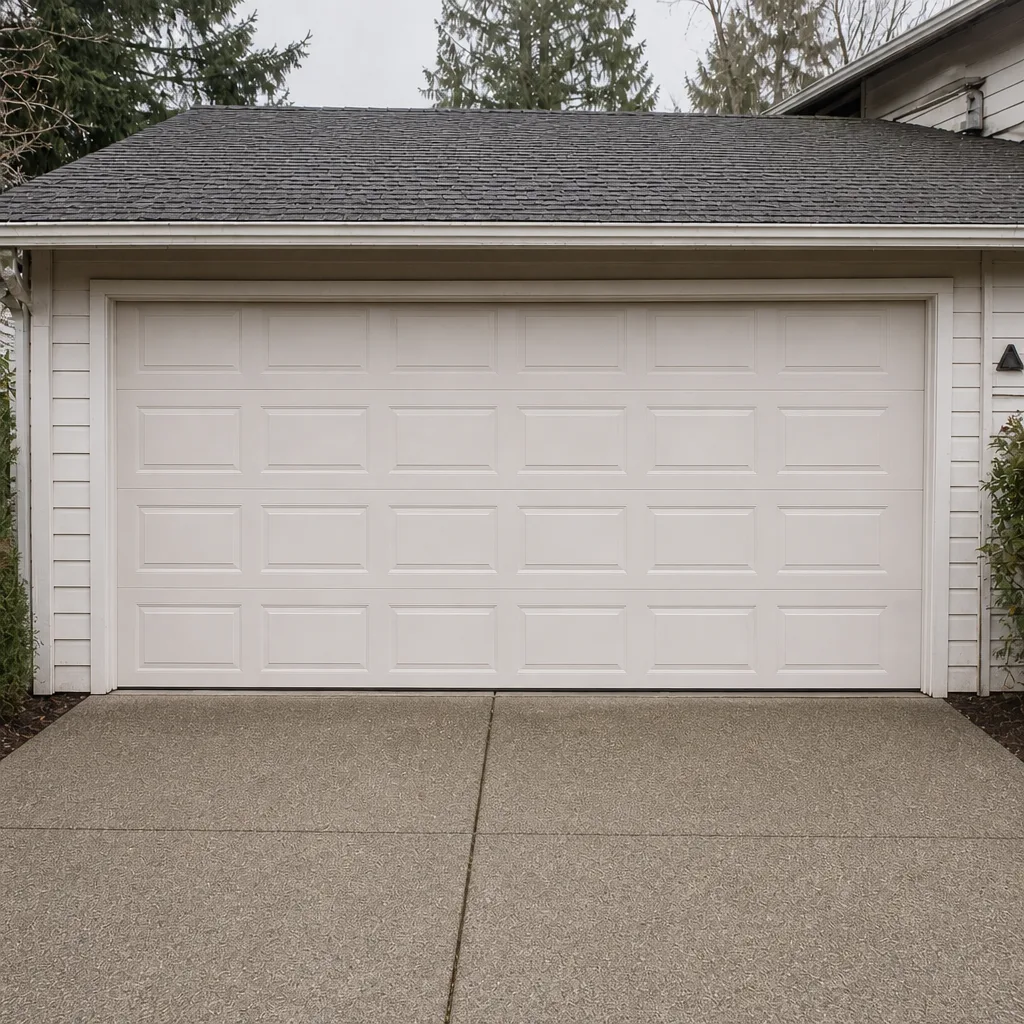 After
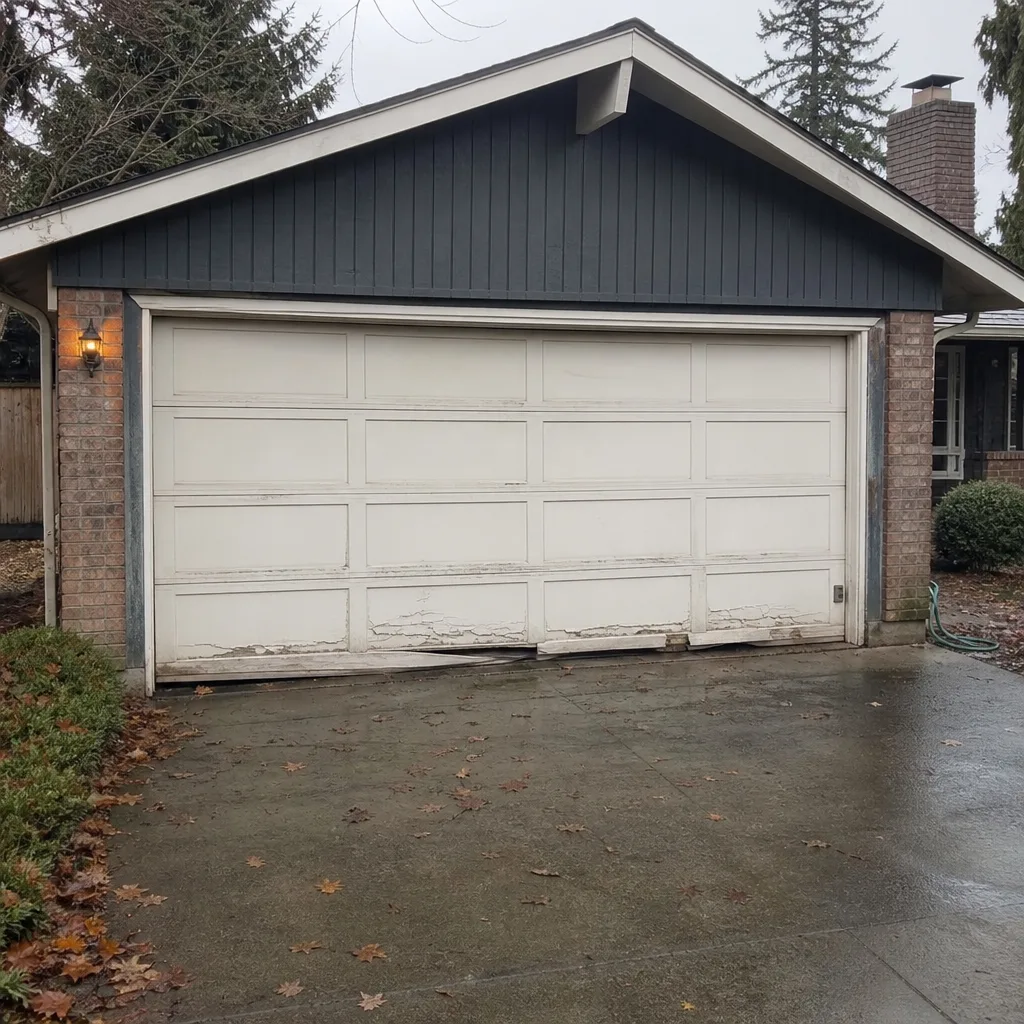 Before
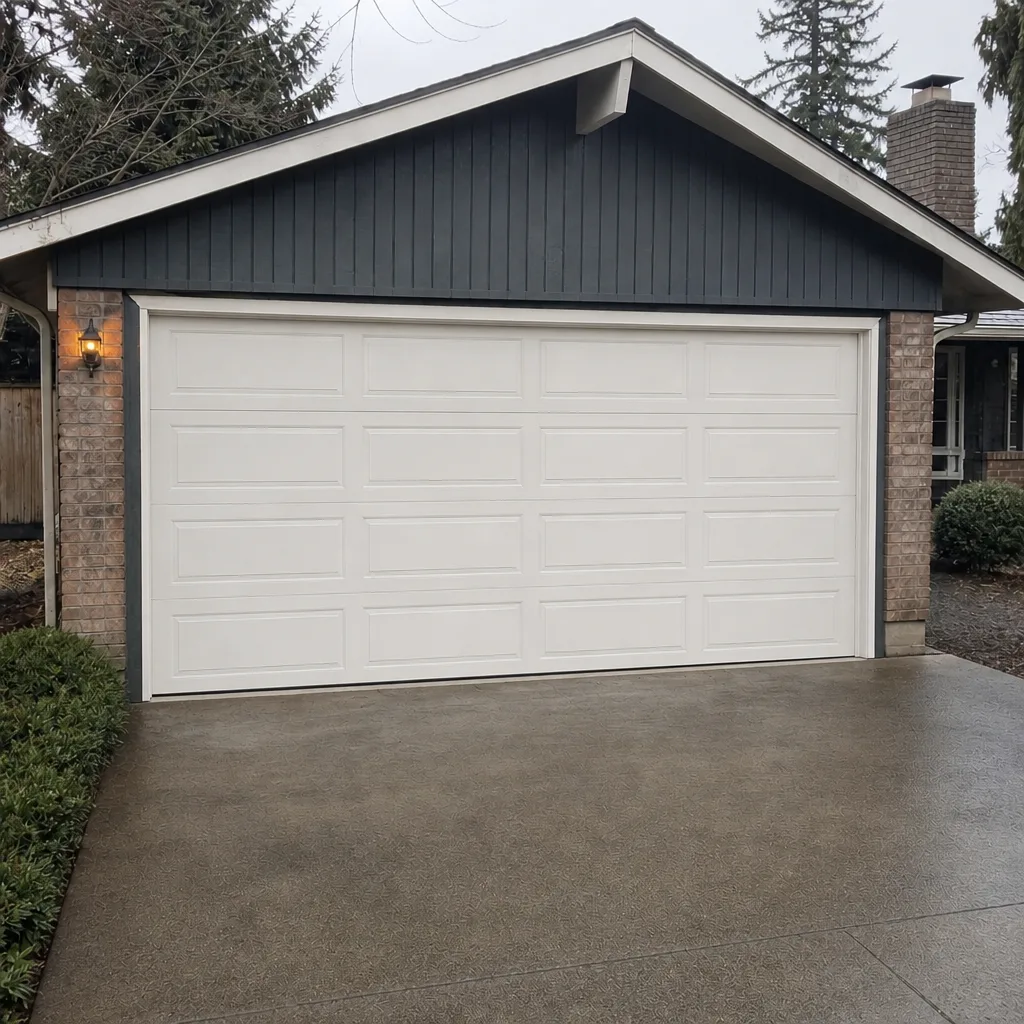 After
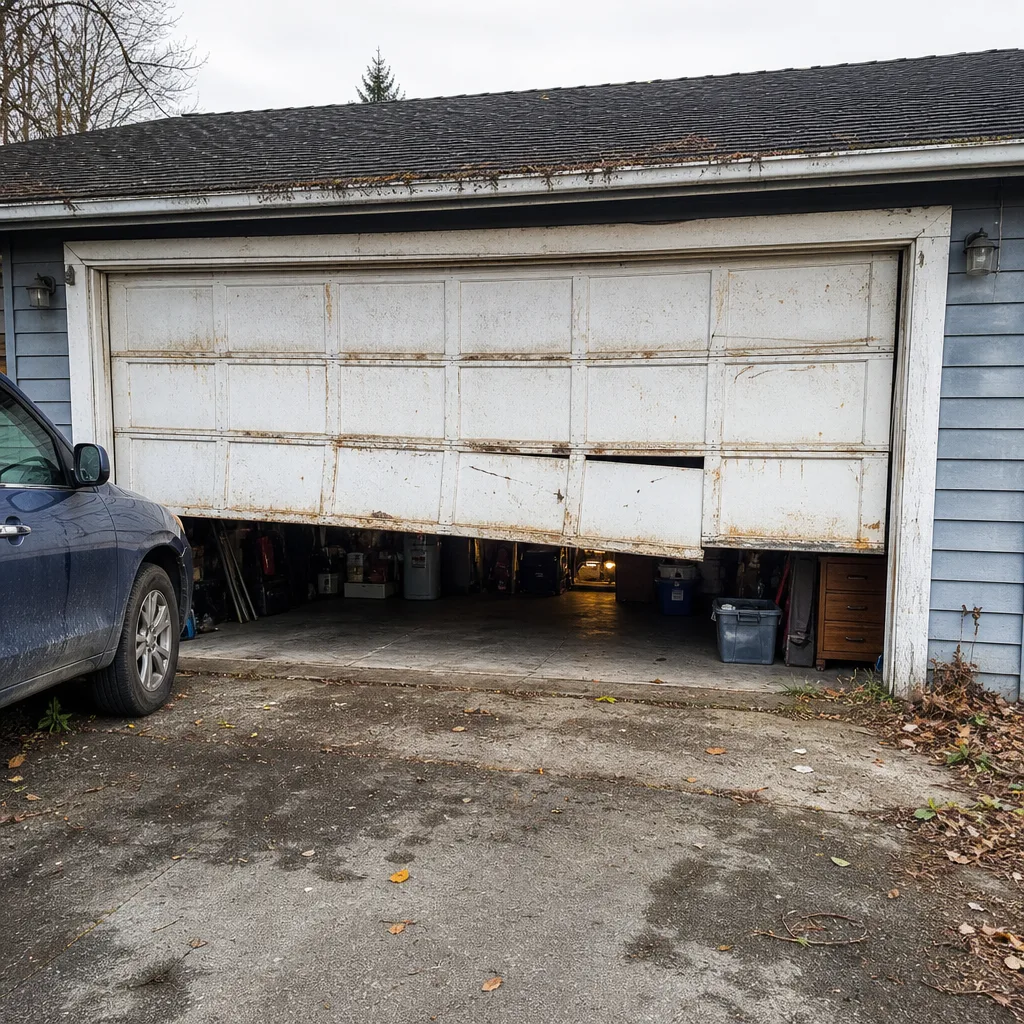 Before
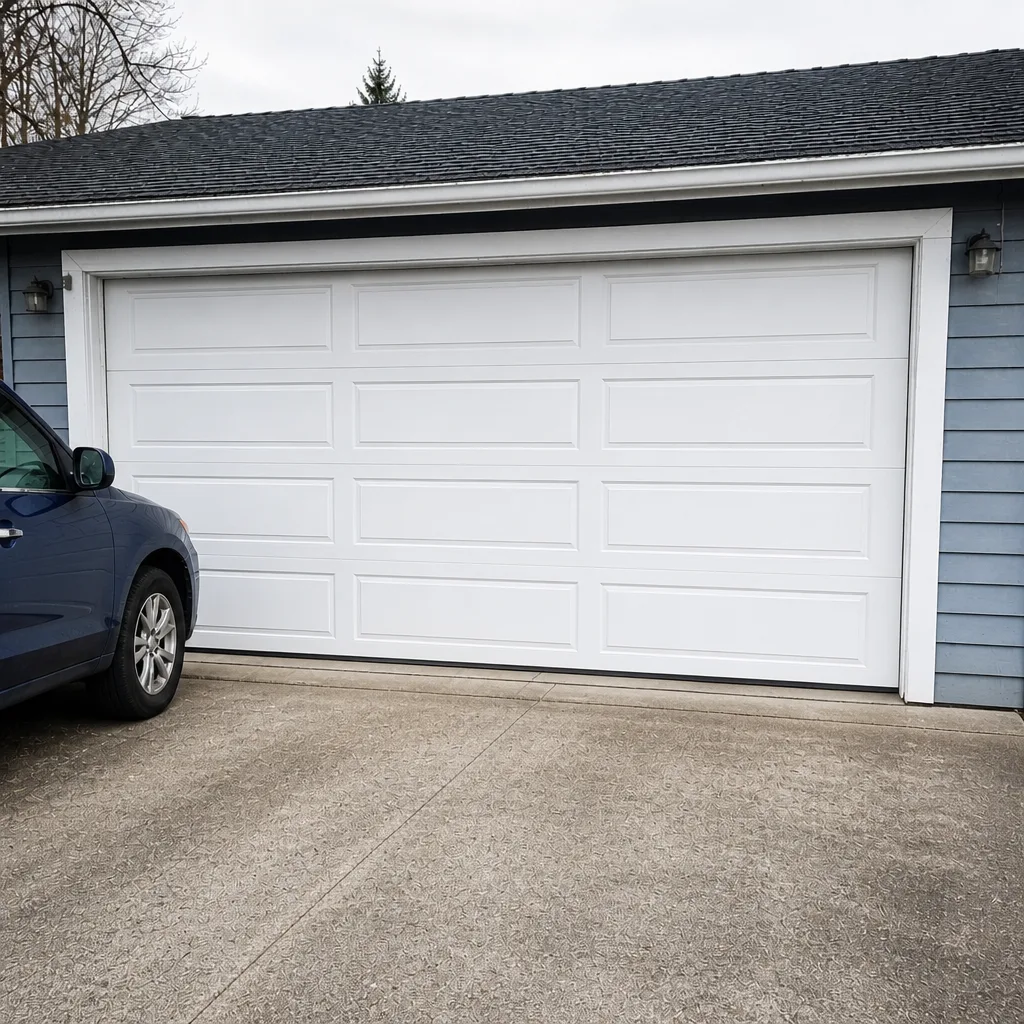 After
When to Call a Professional
Call a professional if any of the following is true: the door won’t lift, drops or slams, moves unevenly, or reverses on its own; a spring is broken, rusted through, or visibly out of shape; a cable is hanging loose or frayed; a track is bent or separated from the wall; the opener hums but doesn’t move the door; or the door hasn’t been serviced in several years and you’re not sure of its condition. For urgent situations, our emergency garage door service exists so a stuck or broken door isn’t a tomorrow problem. Redmond Garage Door Repair Pros offers free estimates in Redmond – call (855) 337-2071 and we’ll talk through what you’re seeing and give you a next step.
Frequently Asked Questions
A broken torsion spring. The door loses its counterweight and becomes a heavy panel that can drop under its own weight, and the opener will strain to lift it. Stop using the door and call for spring repair. Call (855) 337-2071 for an exact quote – estimates are free.
Disconnect the opener with the release cord and try to lift the door by hand. If it’s hard to lift or won’t hold at chest height, the door itself is out of balance and the opener is being asked to compensate. If the door moves smoothly by hand, the problem is likely in the opener. Call (855) 337-2071 and we can help you work out which side of that line you’re on.
Usually yes, if the door tracks straight and the opener isn’t laboring. A cosmetic dent is not a mechanical hazard. But if the dent has bent a stile or thrown the panel out of line, get it looked at before using the door much more. Free estimates are available – call (855) 337-2071.
That pattern points to spring imbalance. The springs aren’t giving enough lift, so the opener works harder on the way up, and the door drops faster on the way down because gravity is helping. Don’t adjust the springs yourself; schedule garage door spring repair. Call (855) 337-2071 for an exact quote.
Yes, and specifically. Persistent damp swells wood panels, rusts bottom brackets and spring coils, and degrades weather seals. What homeowners often read as an opener problem in Redmond turns out to be a fit or balance issue the damp weather has caused. Call (855) 337-2071 for an exact quote.
Typical spring repair ranges depend on the door and the spring, and a matched pair is usually replaced together at roughly double a single spring’s price. The written quote you get from us sets the final price, and we quote before any work starts. Call (855) 337-2071 for a free estimate on your specific door.
The Bottom Line
Garage door warning signs aren’t interchangeable. A grinding sound from the top of the door and one from the floor-level track are different problems with different urgency, and a door that opens slowly but closes fast is telling you about spring balance, not the opener. The rule we’d give a Redmond neighbor: springs, cables, a bent track, or uncontrolled door movement means stop and call. Rollers, remotes, seals, and cosmetic panel wear give you time to schedule. Our technicians have up to 14 years of experience and work on your brand, from Wayne Dalton doors to LiftMaster openers, so the diagnosis is brand-specific rather than guesswork. When in doubt, call (855) 337-2071 for a free estimate. It’s a conversation we’re happy to have before anything fails.
Written by the team at Redmond Garage Door Repair Pros.