Last updated November 23, 2026
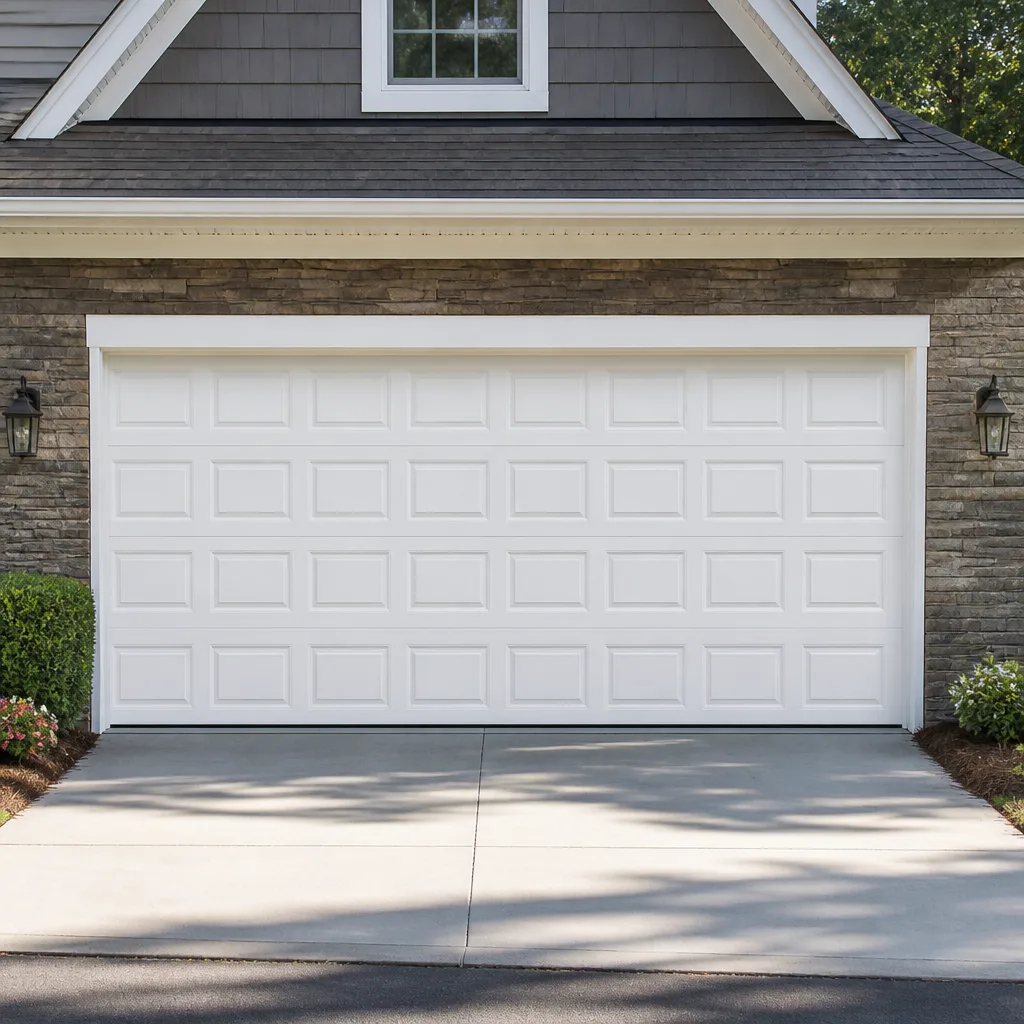 Raised-panel steel
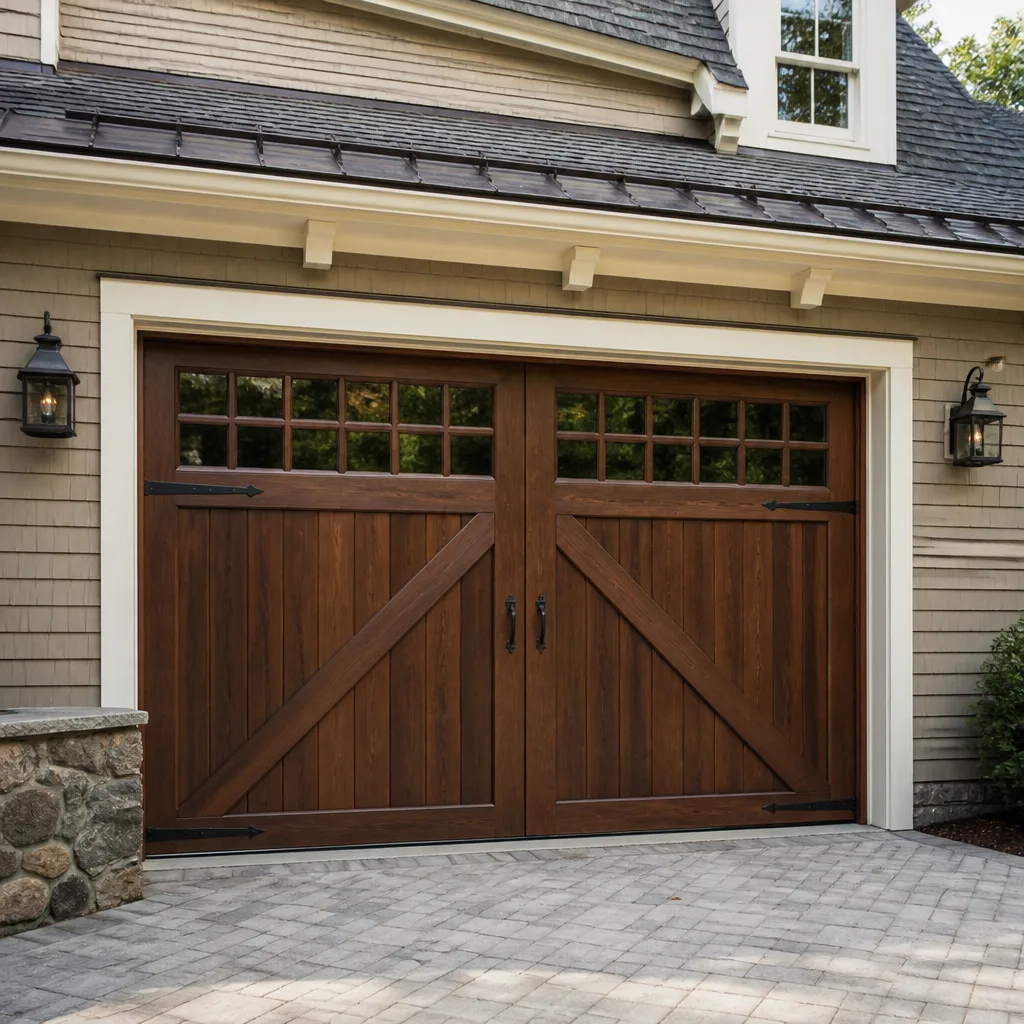 Carriage house
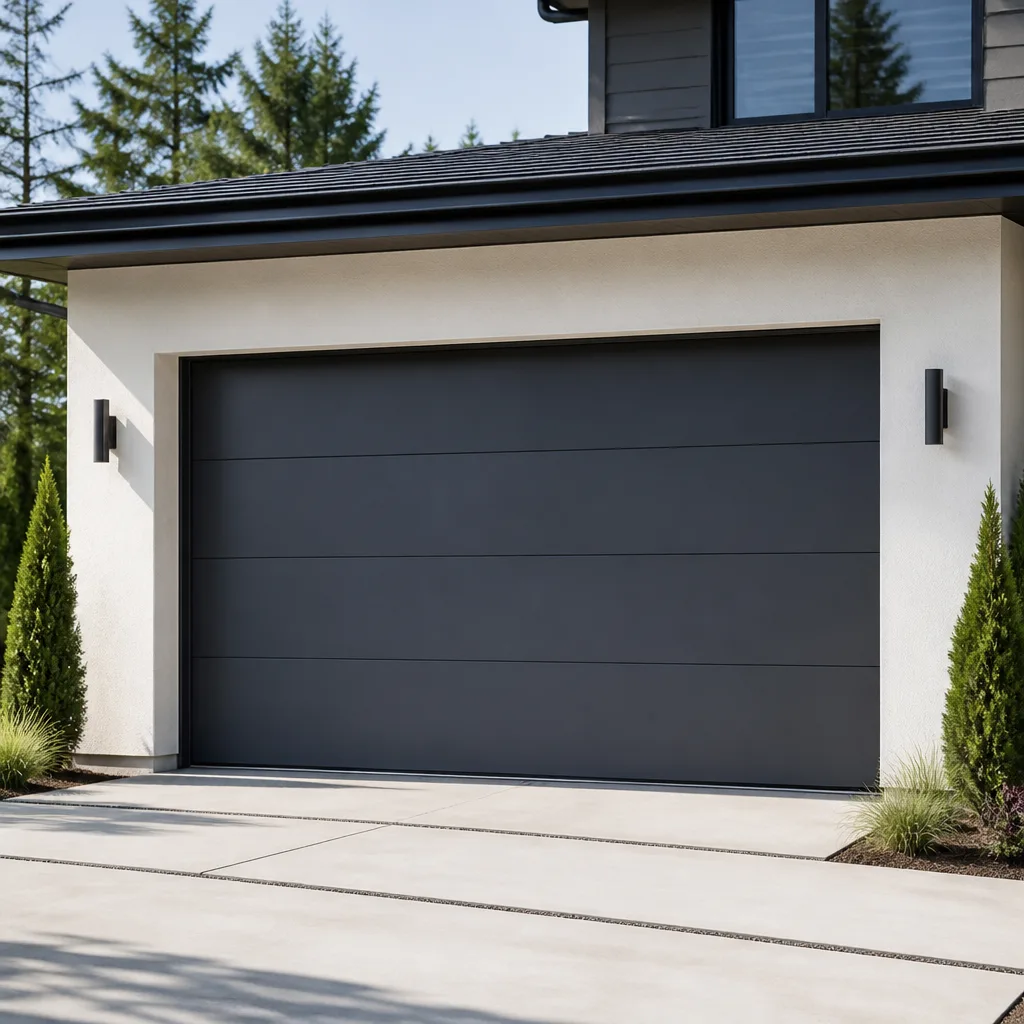 Modern flush
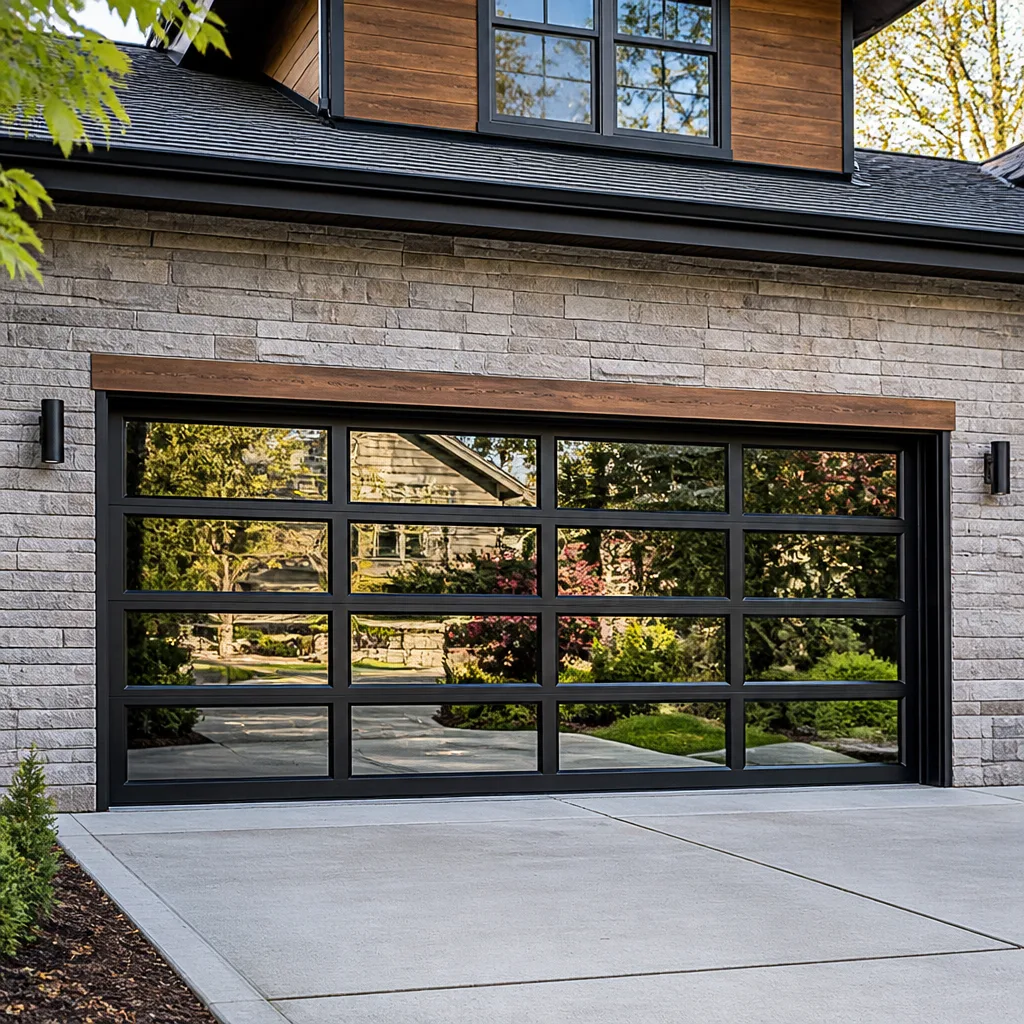 Full-view glass
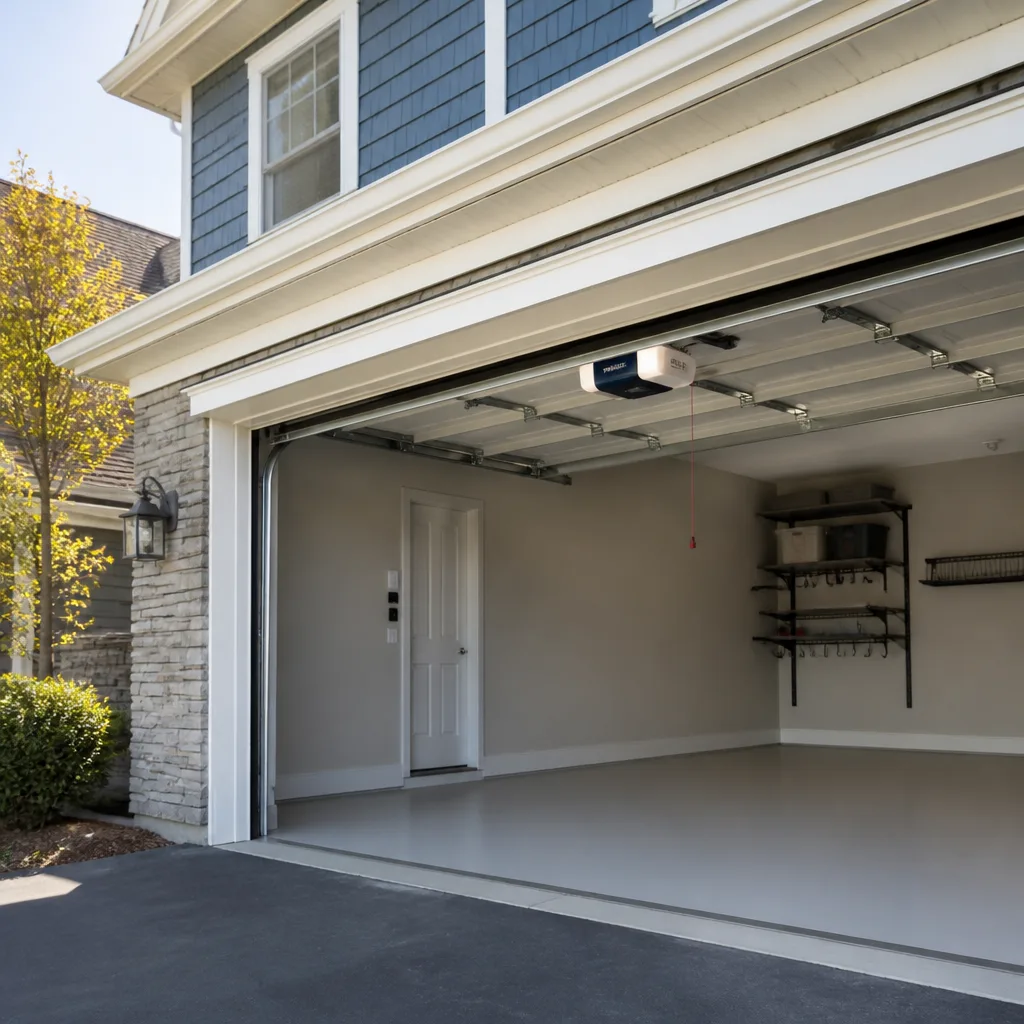 LiftMaster openers
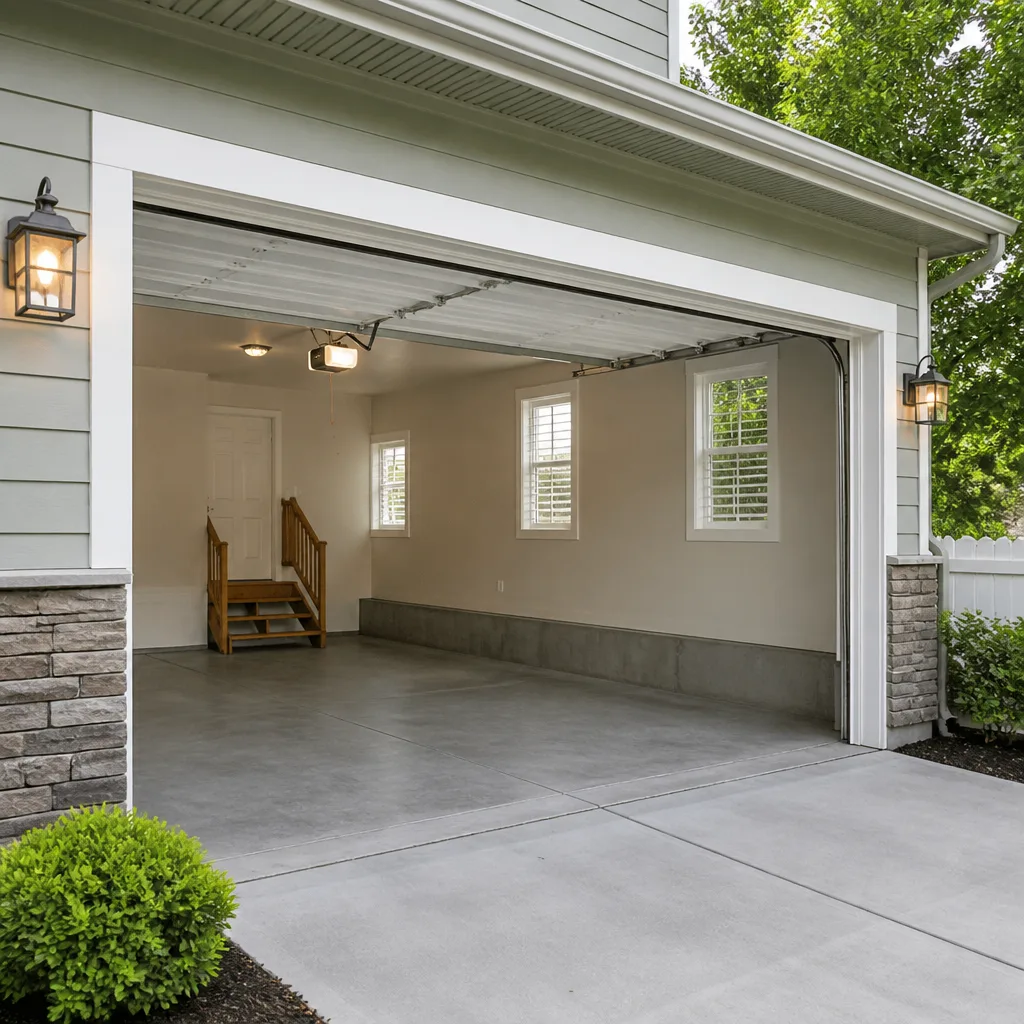 Chamberlain openers
Full 25-point door and opener safety check with every visit - springs, cables, rollers, tracks, and your LiftMaster or Chamberlain opener included
You get a price before we start. It does not change when the pro arrives.
Get your free estimateGarage Door Emergency Preparedness Guide for Redmond Homes
During a Puget Sound power outage, the most common household lockout isn’t a front door. It’s a garage door whose emergency release cord was never tested and whose manual override hasn’t moved in four years. We hear the same thing from Redmond homeowners again and again: the power goes out, the opener is dead, the car is trapped inside, and nobody in the house has ever pulled that red handle. This guide is about closing that gap before you need it. You’ll learn how to test your release cord, what to do when an attached garage is your only exit, why battery backup matters more in Redmond than in most American suburbs, how to secure a door after a break-in attempt, and what to check on your system after an earthquake. No scare tactics, just the mechanical facts.
Quick Answer
Garage door emergency preparedness in Redmond means three things: knowing how to release and manually lift your door when the opener fails, having battery backup on the opener so a windstorm outage doesn’t trap your vehicles, and knowing which damage patterns mean “stop and call a professional” rather than “try harder.” Test your emergency release cord now, while the power is on, because a cord that has never been pulled often binds the first time you need it. If your door is stuck, broken, or won’t secure, call (855) 337-2071 for same-day emergency service and a free estimate.
Styles & brands we work with
- Raised-panel steel
- Carriage house
- Modern flush
- Full-view glass
- LiftMaster openers
- Chamberlain openers
Table of Contents
- How to find, test, and use your emergency release cord
- What to do during a Redmond power outage
- Why battery backup openers make sense in Redmond
- How to manually secure a garage door after a break-in attempt
- After an earthquake: what to check before operating your door
- Why brand knowledge matters in an emergency
- A simple monthly readiness routine
How Do You Find, Test, and Actually Use a Garage Door Emergency Release Cord?
The emergency release cord is a red or brightly colored handle hanging from the trolley that connects your opener to the door. Pulling it disengages the opener so you can lift the door by hand. Most homeowners know it exists. Very few have ever pulled it. That’s the problem.
A release mechanism that hasn’t moved in years can stiffen, and the trolley can bind against the rail. Test it while the power is on, with the door closed, so you can re-engage it safely afterward. Here’s the sequence:
- With the door fully closed and the opener at rest, pull the release cord straight down in one firm motion. You should hear and feel the trolley disengage.
- Lift the door by hand about halfway. It should move smoothly and stay put when you let go. If it slams down or feels unusually heavy, your springs are worn and the door needs professional attention before you rely on manual operation.
- Lower the door, then re-engage by pulling the cord toward the opener (or simply running the opener, depending on your model) until the trolley clicks back into the carriage.
- Run the opener once through a full open-close cycle to confirm engagement.
One important caveat: if a torsion spring has snapped, the door becomes extremely heavy and the cable tension is unpredictable. Manual release on a door with a broken spring can let the door drop hard or send a cable whipping. That’s not a “try harder” situation. Stop, keep people and pets clear, and call for garage door spring repair. A trained technician has the winding bars and the know-how to handle that tension safely, and this is not a component to experiment with.
What Should You Do During a Garage Door Power Outage in Redmond?
When the opener loses power and your attached garage is the household’s main way in and out, you have a short checklist and a longer one. The short checklist gets you mobile. The longer one keeps the house secure.
Immediately after the power drops
- Don’t cycle the opener repeatedly. Nothing will happen, and on some units you’ll just reset the travel limits for later.
- Use the emergency release to disengage the door and lift it by hand, following the steps above.
- If you can’t lift the door safely, leave it closed. A closed door is secure; a half-open door isn’t.
- Move one vehicle out if you can so the household isn’t stranded, then close and re-engage the door.
If the door is your only pedestrian exit
Some Redmond homes have a garage that doubles as the primary entry, especially where the front door is far from the driveway or the house has been reconfigured. In that case, an inoperable door isn’t an inconvenience, it’s an egress problem. Make sure every adult in the house knows the manual release procedure, and that a second exit path exists. If your garage is genuinely the only way out, that’s a safety issue worth fixing regardless of the weather.
Redmond’s windstorms, ice events, and the occasional transformer failure all cause multi-hour outages, and the garage door is usually the first thing people notice. Getting the manual routine down cold is the difference between a ten-minute inconvenience and a stranded evening.
Why Battery Backup Openers Are a Practical Necessity in Redmond
Battery backup on a garage door opener isn’t a luxury feature in Western Washington. It’s the difference between a working door and a dead one during the wind-related outages that roll through Puget Sound every fall and winter.
Here’s how it works in plain terms. A battery backup unit carries a rechargeable battery inside the opener housing. When line power drops, the opener switches to battery and lets you open and close the door a limited number of times, enough to get a vehicle out and back in and to keep the door operable for a while. It won’t run forever, and battery health matters, so a unit that’s never been tested is a unit you can’t count on.
If you’re shopping for a new opener, battery backup is worth prioritizing. Redmond’s newer construction often has attached garages with no alternative vehicle access, so a dead opener means a dead car. Look at units from LiftMaster and Chamberlain, both of which offer battery backup models, and ask specifically about battery life and how the unit reports a failing battery. A garage door opener repair visit is also a good time to ask whether a battery backup retrofit makes sense for your existing unit.
If you already have battery backup, test it. Unplug the opener from the wall, run the door once on battery, then plug it back in. Do this a couple of times a year. If the door moves sluggishly or not at all, the battery is likely at end of life and needs replacement before the next storm.
How Do You Manually Secure a Garage Door After a Break-In Attempt or Failed Latch?
A garage door that won’t latch, or one that shows signs of having been pried, needs to be secured from the inside immediately and from the outside until a repair can happen. This is one of those procedures most homeowners have never practiced.
Securing from the inside
- Close the door fully using the manual release or the wall button, whichever is working.
- Engage the manual lock bar if your door has one. Older doors often do; newer ones sometimes rely entirely on the opener.
- Slide a sturdy bar, a length of pipe, or a purpose-made door brace into the tracks on both sides, just above the bottom roller, so the door can’t be pushed up.
- Disengage the opener if you can, so the door can’t be raised by a remote signal from outside. Pulling the release cord does this.
Securing from the outside
If you’re leaving the house and the latch is compromised, the goal is to make the door hard to lift. A C-clamp clamped onto the vertical track just above a roller on each side prevents the door from rolling up. It’s a temporary fix, not a permanent one, and it’s visible, so plan on getting the door repaired quickly. If the door itself is bent or off its track, don’t force it. That’s a job for garage door repair, and a bent panel left alone can pull the whole door out of alignment.
Once the immediate threat is handled, look at why the latch failed. A misaligned track, a worn roller, or a door that’s drifted out of level are all common causes, and all of them are fixable. A door that closes but doesn’t seat flush is a door that isn’t really locked.
After an Earthquake: What to Check Before You Operate Your Garage Door
The Cascadia Subduction Zone is a real consideration for every Redmond household, and a garage door is a large, heavy, overhead-hung assembly that doesn’t always behave the way you’d expect after a shake. Before you hit the opener button, walk the system.
Check these before operating
- Tracks: Look for tracks that are bent, twisted, or pulled away from the wall. A door that runs on misaligned tracks can come down off the rollers.
- Springs and cables: A snapped spring is obvious (the door won’t balance and the spring looks stretched or broken). Frayed or slack cables are a serious warning sign. Don’t touch either one.
- Panels and hinges: Look for panels that are dented, separated from their hinges, or no longer sitting flush with each other. A door that’s out of square can bind and fall.
- Header and framing: Check the wood or steel above the door where the track brackets mount. Cracks, separation, or a header that’s pulled away from the wall mean the door’s support structure is compromised.
- Opener and rail: Look for a rail that’s bent or a motor that’s hanging loose from its mount.
What the damage patterns tell you
Bent tracks and a door that’s off its rollers usually mean the door needs professional realignment. A door that’s visibly out of square, with panels that no longer line up, suggests the door assembly itself has twisted and may need replacement rather than repair. Cracks in the header or framing are the most serious signal, because the door’s weight is resting on structure that may no longer hold it. In any of those cases, keep the door closed, keep people and vehicles clear, and call a professional.
After a significant quake, don’t run the opener “just to see.” If the door is binding on damaged tracks, the opener will keep pushing and can pull the door down or burn out the motor. Manual inspection first, then a call.
Why Brand Knowledge Matters in a Garage Door Emergency
Garage door systems aren’t interchangeable, and the differences show up fastest when something fails. A Genie opener with a chain drive and a LiftMaster with a belt drive have different trolley designs, different travel-limit procedures, and different failure patterns. A Wayne Dalton door with a proprietary spring system behaves differently under manual release than a Clopay door with standard torsion hardware.
That’s why we’re factory-familiar with eight leading brands: LiftMaster, Chamberlain, Genie, Clopay, Amarr, Wayne Dalton, Craftsman, and Raynor. When a tech walks up to a door in Redmond, the brand tells us a lot before we touch anything. Which opener platform, which spring configuration, which common failure points. That’s the difference between a fix that holds and a fix that comes back.
It also matters for parts. A door from Amarr or Clopay may need a specific panel profile or hinge style, and getting the wrong part means a second visit. Brand-specific knowledge is how a repair gets diagnosed right the first time, and it’s why we ask for the brand and model when you call. If you don’t know it, a photo of the opener label and the door usually gets us there.
A Simple Monthly Readiness Routine for Redmond Homeowners
Fifteen minutes a month is all it takes to keep a garage door system ready for the kind of outage or failure that Redmond weather throws at it. This is the routine we’d suggest for any household with an attached garage.
- Test the emergency release. Pull it with the door closed, lift the door partway, re-engage, and cycle the opener once.
- Test battery backup if you have it. Unplug the opener, run the door on battery, plug it back in.
- Look at the springs and cables. You’re not adjusting anything. You’re looking for a broken spring, a frayed cable, or a gap where there shouldn’t be one. If you see it, call.
- Check the door balance. Disengage the opener, lift the door halfway by hand, and let go. It should stay roughly in place. A door that drops or rises on its own needs spring service.
- Run the safety reverse test. Put a small object in the door’s path and confirm the door reverses when it meets resistance.
- Listen. Grinding, popping, or a door that shudders on the way up are early warning signs worth investigating before they become a stuck door.
For a full breakdown of the mechanical side, see our guide to spring repair in Redmond, since springs are the most common failure point and the most dangerous component on any door. Our technicians have up to 14 years of experience with these systems, and we’re happy to walk a Redmond homeowner through what to check over the phone.
Common Mistakes to Avoid
- Never using the release cord until you need it. A cord that’s been sitting untouched for years can bind the first time you pull it. Test it now, while the power is on and you have time to sort out a stuck trolley.
- Forcing a door with a broken spring. Manual lifting a door with a snapped torsion spring is how people get hurt and how doors get dropped. The spring carries the door’s weight; without it, the door is dangerously heavy. Stop and call.
- Cycling the opener repeatedly during an outage. Nothing will happen, and on some units you’ll reset the travel limits. If the power is out, go to the manual release instead.
- Ignoring battery backup until it fails. A battery that’s never been tested is a battery you can’t count on. Test it a couple of times a year and replace it before it dies mid-storm.
- Leaving a bent or off-track door in service. A door that’s slightly out of alignment will wear the tracks and rollers faster and can eventually come down off the track. Get it fixed before it becomes an emergency.
- Running the opener after an earthquake without an inspection. If the tracks or header are damaged, the opener can pull the door down. Walk the system first.
- Skipping the outside-securing step after a break-in attempt. A door that closes but doesn’t seat flush isn’t locked. Clamp the tracks and get the latch repaired right away.
See the difference
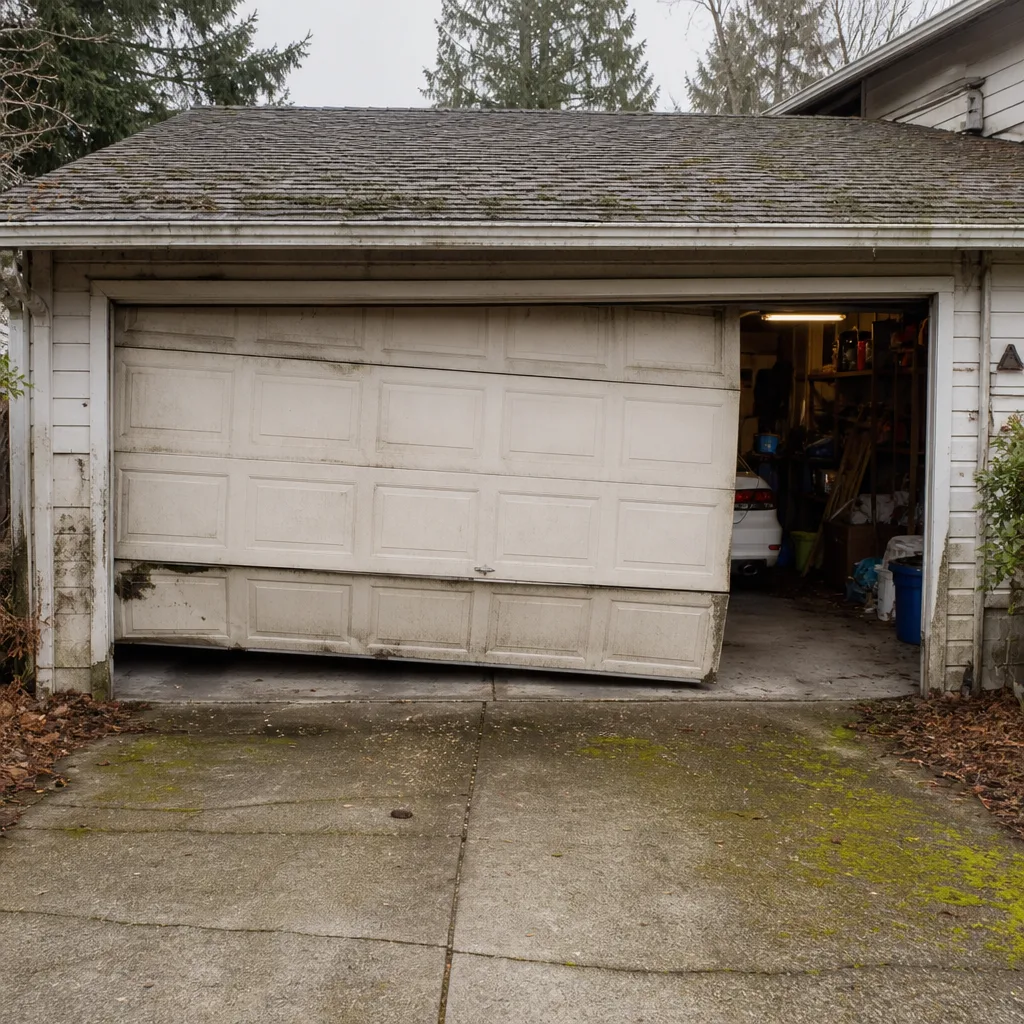 Before
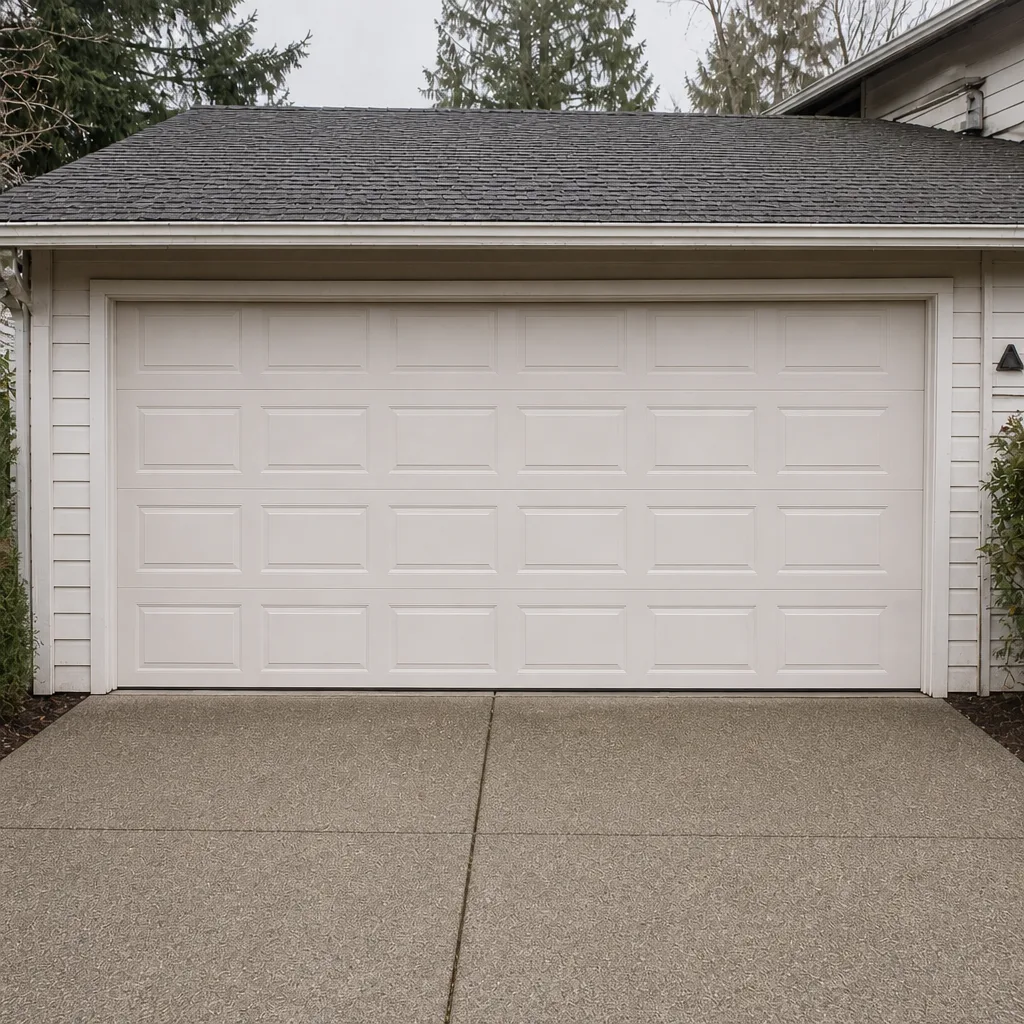 After
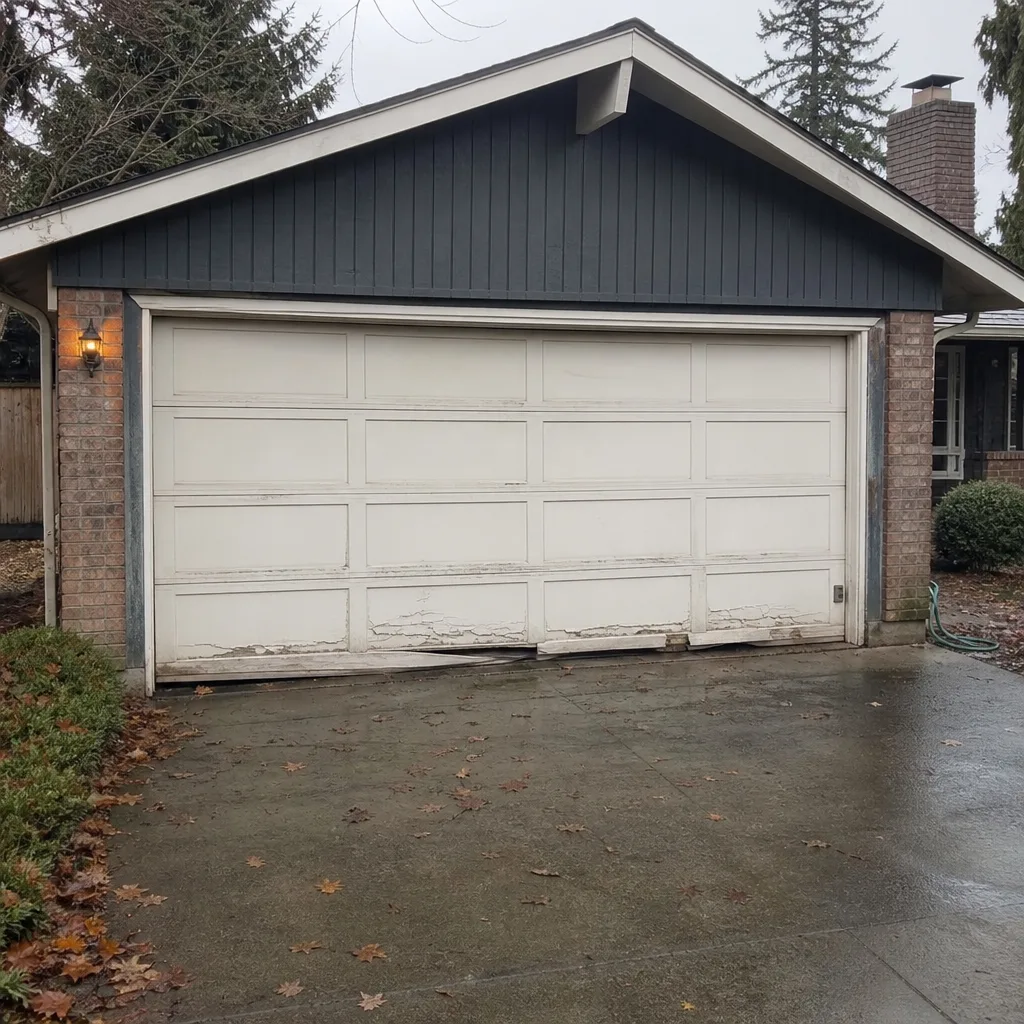 Before
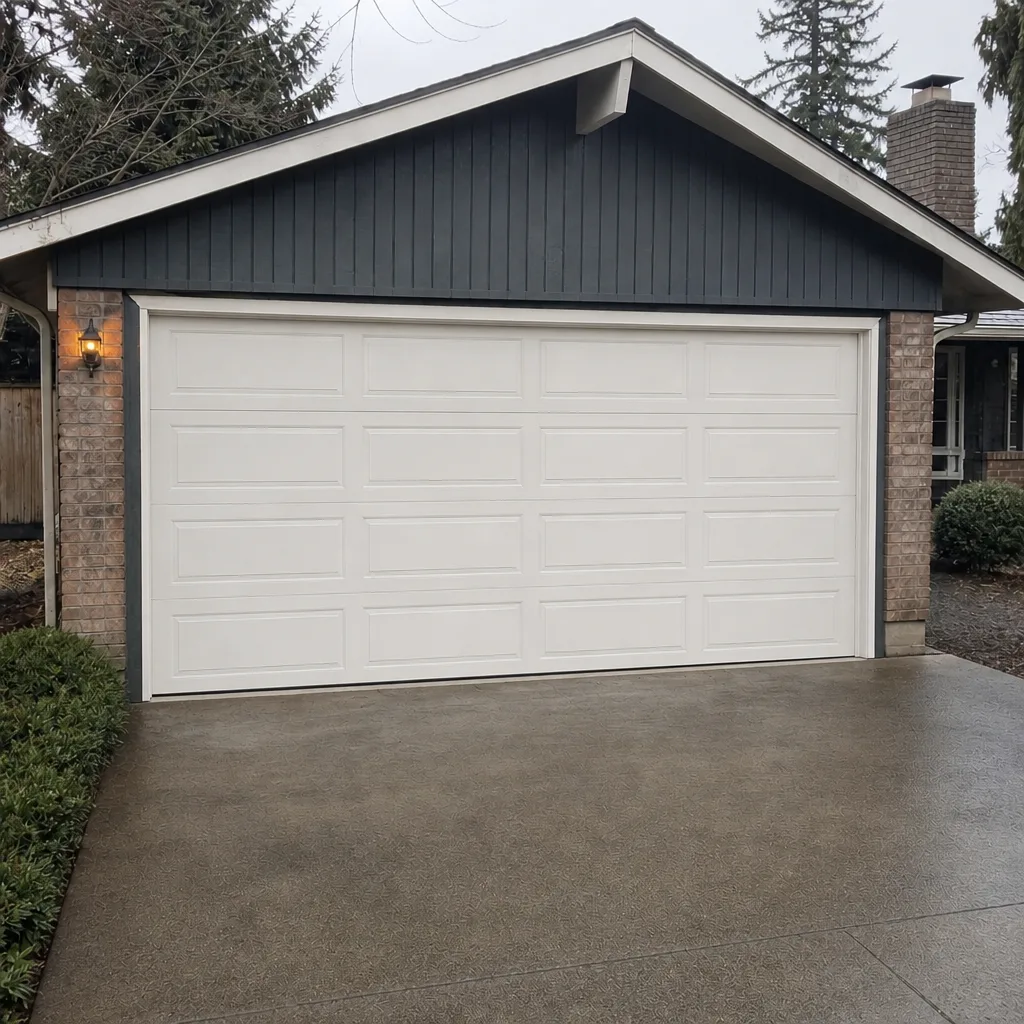 After
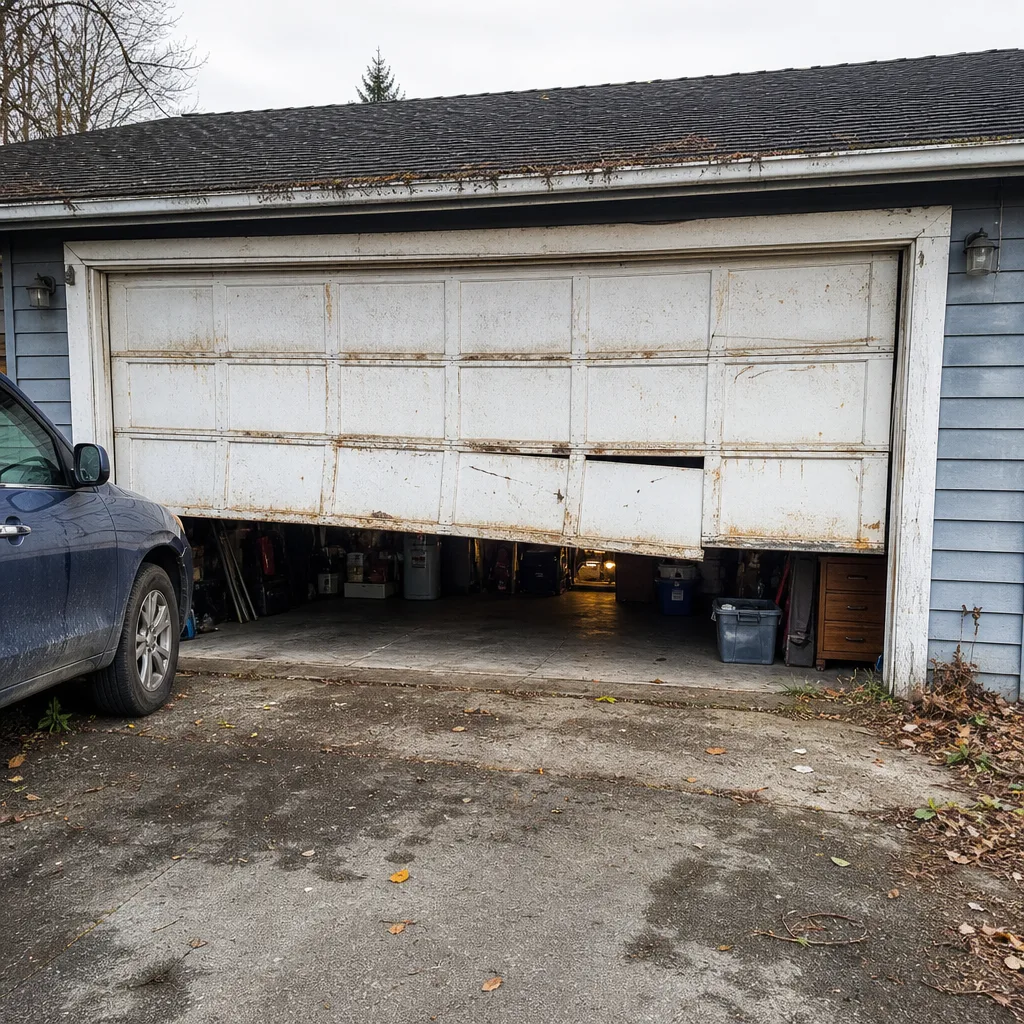 Before
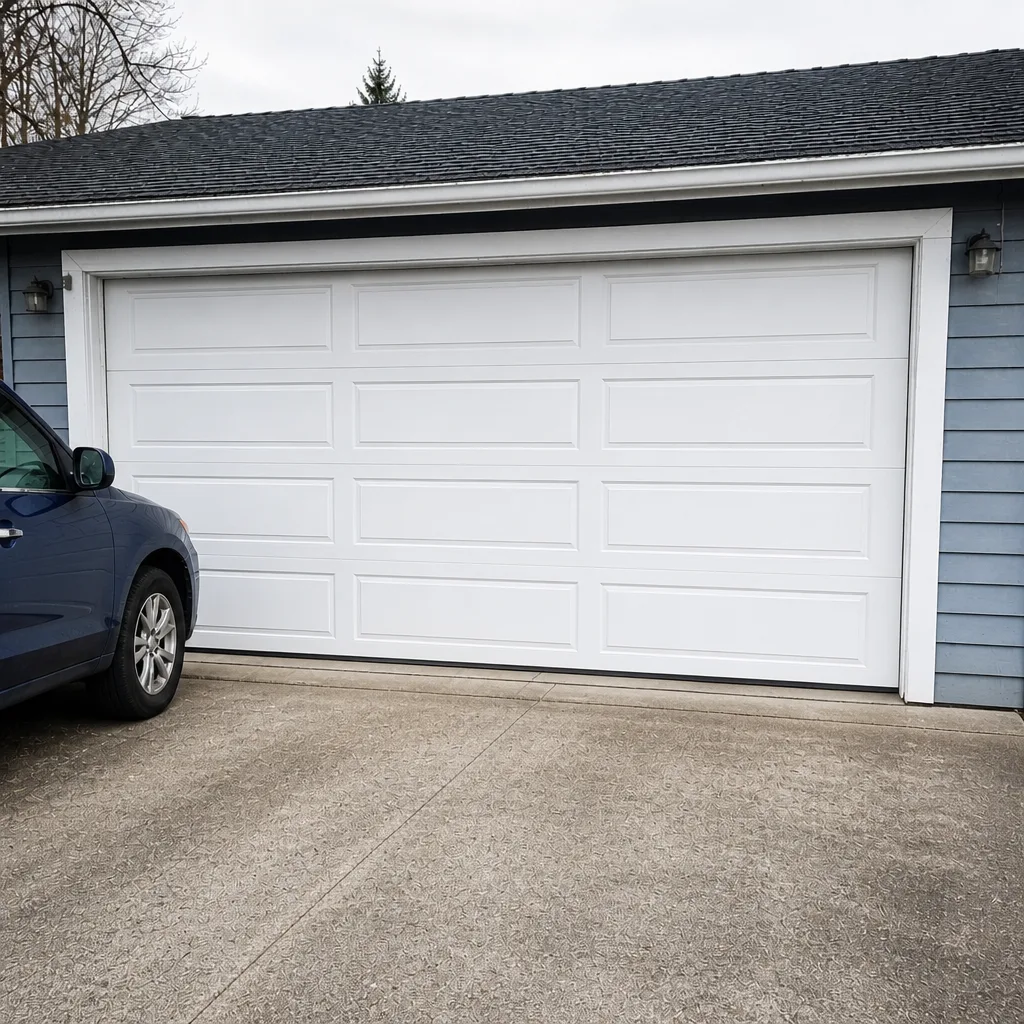 After
When to Call a Professional
Some situations call for a pro, and it’s usually the ones involving springs, cables, or structural damage. Call us if a spring has snapped, if the door is off its track or visibly out of square, if the header or framing above the door shows cracks or separation, if the door won’t secure after a break-in attempt, or if the opener is dead and a battery backup isn’t getting you through. Those aren’t “try it once more” problems. They’re safety problems. Redmond Garage Door Repair Pros offers free estimates in Redmond. Call (855) 337-2071, and we’ll get a technician out to look at the whole system, door, opener, springs, and hardware together, because a garage door is a system, not a collection of parts. If you’re ready to move forward on a replacement rather than a repair, we handle that too, from a single spring to a brand-new door.
Frequently Asked Questions
It depends on the failure. A typical spring replacement is one of the more common emergency calls, and a single spring is usually a lower-cost repair than a matched pair, since most doors have two springs that are replaced together. Opener repairs, track realignment, and cable replacement each have their own typical ranges. The written estimate sets the final price, and we quote and agree on it before any work starts, so there are no surprises on the invoice. Call (855) 337-2071 for a free estimate.
In many cases, yes. Emergency garage door service is a real part of what we offer, and a stuck or broken door that leaves your home unsecured or your car trapped is exactly the kind of call we prioritize. Response times vary with the day and the volume of calls, so we won’t promise a specific window over the phone. Call (855) 337-2071 and we’ll tell you what’s realistic for your situation.
No, not without your agreement. We look at the door, diagnose the problem, and give you a written quote before any work begins. If we find something the initial conversation didn’t cover, we tell you and get your approval before touching it. You’ll never get an invoice larger than the quote you agreed to.
The local pro we connect you with is licensed and insured as their state requires. We can work with your insurer if a claim is involved, and we’re happy to answer questions about documentation. If you’d like details on credentials before booking, just ask when you call.
Use the emergency release cord. Pull it straight down to disengage the opener, then lift the door by hand. If the door feels unusually heavy or won’t lift smoothly, stop and leave it closed; that usually means a spring or cable problem, and forcing it can be dangerous. If you’re stuck, call (855) 337-2071 and we’ll help you figure out the next step.
It’s worth having. Puget Sound windstorms and ice events cause outages that can last hours, and if your garage is your main vehicle or pedestrian exit, a dead opener leaves you stranded. Battery backup lets you open and close the door a limited number of times during an outage, which is usually enough to get a car out and back in. Test the battery a couple of times a year so you know it works when you need it.
The Bottom Line
Garage door emergencies in Redmond come down to a handful of skills most homeowners never practice: pulling the release cord, lifting the door by hand, securing a door that won’t latch, and knowing when to stop and call. Test your release cord this week. Check your battery backup. Walk the system after a storm or a quake before you run the opener. And if something looks bent, frayed, or out of square, don’t push it. Springs and cables carry serious tension, and a trained technician is the right call. Redmond Garage Door Repair Pros is here when you need us, from a broken spring to a brand-new door.
If your door is stuck, broken, or won’t secure, call (855) 337-2071 for a free estimate. We work on your brand, we diagnose right the first time, and we’ll quote the price before any work starts.
Written by the team at Redmond Garage Door Repair Pros.